


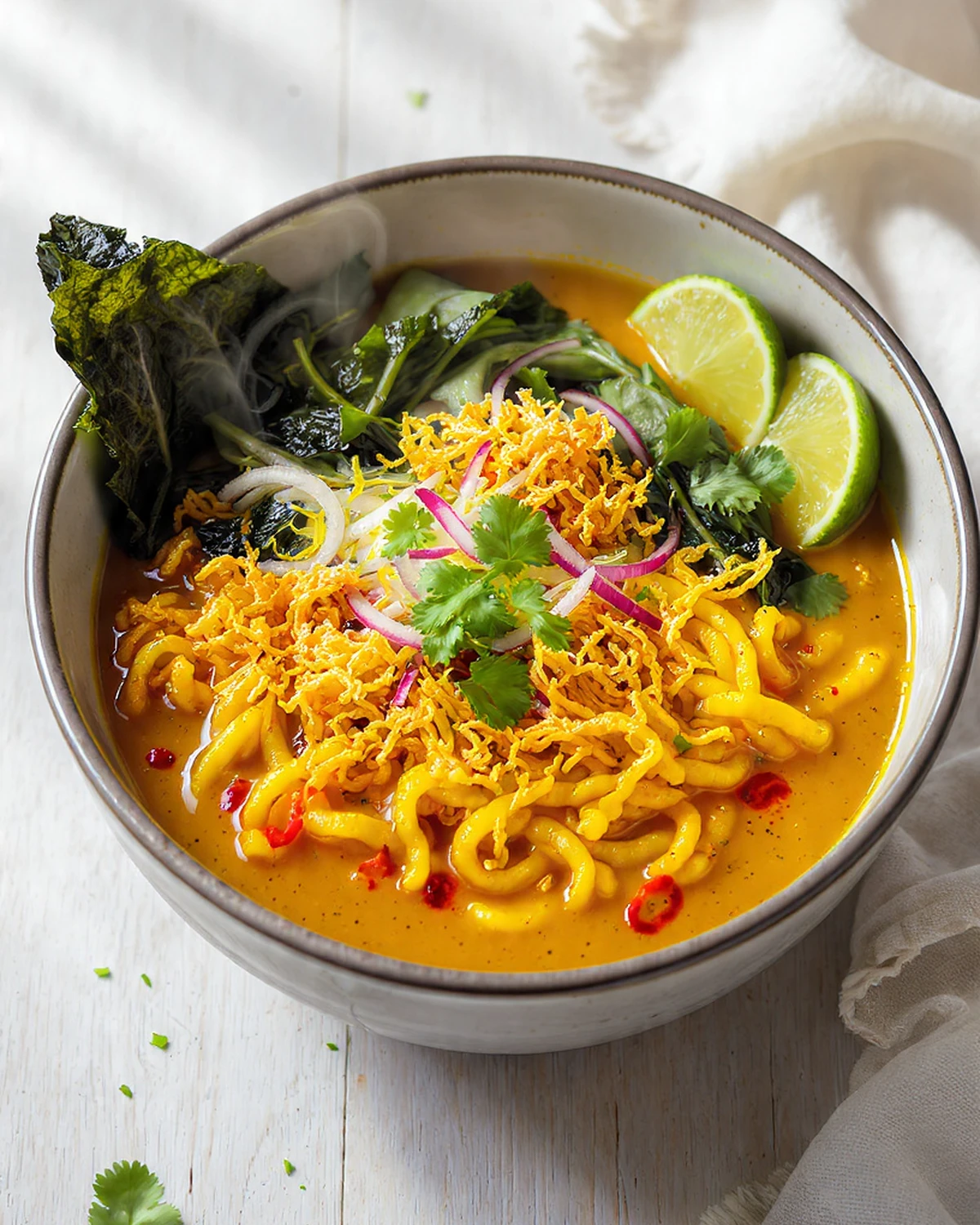
Thai Green Curry Recipe: A Creamy, Flavor-Packed Thai Classic You Can Make at Home

Servings: 4 Total Time: 45 mins Difficulty: Beginner
A rich, creamy, restaurant-quality Thai Green Curry made with chicken, vegetables, coconut milk, and aromatic herbs.
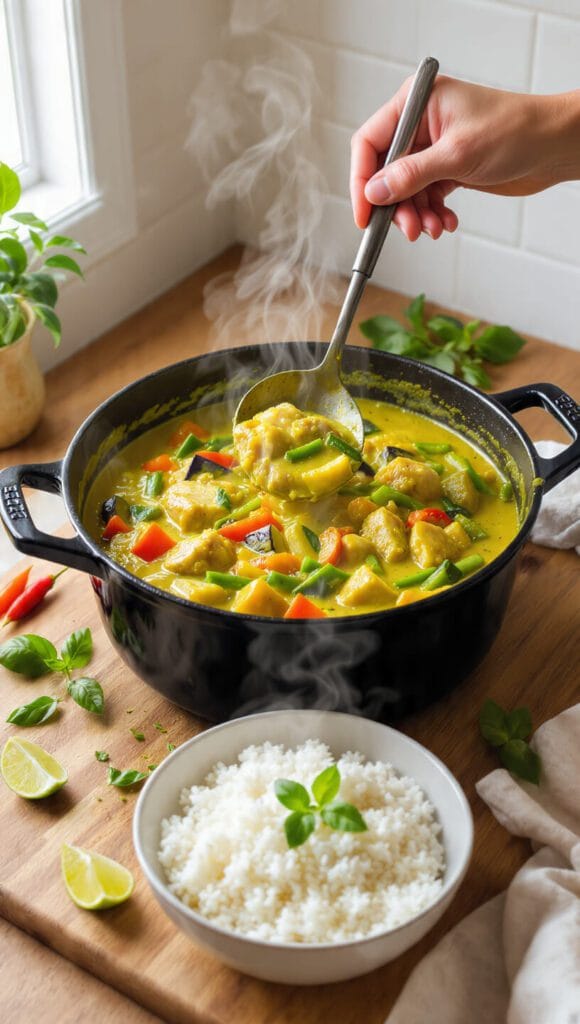
Authentic Thai Green Curry with chicken, vegetables, and jasmine rice served fresh from the pot. pinit
Difficulty: Beginner Prep Time 15 mins Cook Time 25 mins Rest Time 5 mins Total Time 45 mins
Cooking Temp: 350  F Servings: 4 Estimated Cost: $ 22 Calories: 485

Description

This authentic Thai Green Curry combines tender chicken, creamy coconut milk, fragrant green curry paste, crisp vegetables, and fresh Thai basil into a comforting one-pot meal that's surprisingly easy to make at home.

Ingredients

Cooking Mode Disabled

Curry Base

Protein

Vegetables

Fresh Herbs

For Serving

Instructions

Step 1 — Prepare the Ingredients

  1. Slice all vegetables, mince the garlic, grate the ginger, cut the chicken into evenly sized pieces, and measure every ingredient before turning on the stove.

    Estimated Time: 10 minutes

    Pro Tip: Keeping everything ready makes the cooking process smooth because Thai curry cooks quickly.

    Avoid: Cutting uneven chicken pieces, which cook at different speeds.

Step 2 — Bloom the Curry Paste

  1. Heat the vegetable oil over medium heat. Add the green curry paste and cook for about 2 minutes while stirring constantly until it becomes fragrant and slightly darker.

    Estimated Time: 2 minutes

    Pro Tip: Cooking the curry paste first develops deeper flavor.

    Avoid: Burning the paste over high heat.

Step 3 — Add Coconut Milk

  1. Slowly stir in about half of the coconut milk. Continue cooking until the curry paste dissolves completely and small pools of coconut oil begin separating on the surface.

    Add the remaining coconut milk and chicken broth.

    Estimated Time: 5 minutes

    Pro Tip: This traditional technique creates a richer, restaurant-style curry.

    Avoid: Boiling too aggressively.

Step 4 — Cook the Chicken

  1. Add the chicken pieces to the simmering curry.

    Cook for 8–10 minutes, stirring occasionally until the chicken is nearly cooked through.

    Estimated Time: 10 minutes

    Pro Tip: Chicken thighs remain juicy even if cooked a little longer.

    Avoid: Overcrowding the pan.

Step 5 — Add the Vegetables

  1. Add the eggplant, bamboo shoots, snow peas, red bell pepper, garlic, ginger, and kaffir lime leaves.

    Simmer gently until the vegetables become tender while still maintaining a slight crunch.

    Estimated Time: 8 minutes

    Pro Tip: Add delicate vegetables later so they don't become mushy.

    Avoid: Overcooking the peppers.

Step 6 — Season the Curry

  1. Stir in the fish sauce, brown sugar, and soy sauce.

    Taste and adjust the seasoning if needed.

    Finish with the fresh lime juice.

    Estimated Time: 3 minutes

    Pro Tip: Balance sweet, salty, spicy, and tangy flavors.

    Avoid: Adding too much fish sauce at once.

Step 7 — Finish with Basil

  1. Remove the pan from the heat and gently fold in the Thai basil leaves until they wilt from the residual heat.

    Estimated Time: 1 minute

    Pro Tip: Fresh basil should never be boiled for long.

    Avoid: Cooking the basil until it turns black.

Step 8 — Serve

  1. Ladle the curry into serving bowls over steamed jasmine rice.

    Garnish with extra Thai basil, sliced chili, and fresh lime wedges.

    Serve immediately while hot.

    Estimated Time: 2 minutes

    Pro Tip: Warm serving bowls help keep the curry hot longer.

    Avoid: Letting the curry sit too long before serving, as the basil loses its freshness.

Nutrition Facts

Servings 4

Serving Size 1 generous bowl (about 2 cups / 500 g)


Amount Per Serving
Calories 485kcal
% Daily Value *
Total Fat 33g51%
Saturated Fat 18g90%
Cholesterol 120mg40%
Sodium 980mg41%
Potassium 890mg26%
Total Carbohydrate 15g5%
Dietary Fiber 4g16%
Sugars 8g
Protein 34g68%

* Percent Daily Values are based on a 2,000 calorie diet. Your daily value may be higher or lower depending on your calorie needs.

Note

Recipe Notes

Chef Tips

  • Use full-fat coconut milk for the creamiest, richest curry.
  • Cook the green curry paste in oil before adding liquids to unlock its full aroma and depth of flavor.
  • Chicken thighs stay juicier than chicken breasts and are less likely to dry out.
  • Simmer the curry gently instead of boiling to keep the coconut milk smooth and prevent it from separating.
  • Add Thai basil only after removing the pot from the heat so it stays bright, fragrant, and fresh.
  • Taste before serving and adjust with a little more fish sauce for saltiness, brown sugar for sweetness, or lime juice for brightness.

Storage

Allow the curry to cool completely before transferring it to an airtight container.

Refrigeration

Store leftovers in an airtight container in the refrigerator for up to 4 days.

Freezing

Freeze in freezer-safe containers for up to 3 months. Leave a little room at the top of the container since the curry will expand as it freezes. Thaw overnight in the refrigerator before reheating.

Reheating

Reheat gently in a saucepan over medium-low heat, stirring occasionally until warmed through. Add a splash of chicken broth or coconut milk if the curry has thickened too much. You can also microwave individual portions in 30-second intervals, stirring between each interval.

Variations

  • Replace chicken with shrimp for a quicker seafood version.
  • Use tofu for a delicious vegetarian option.
  • Add mushrooms, zucchini, baby corn, or green beans for extra vegetables.
  • Increase the amount of curry paste if you prefer a spicier curry.
  • Stir in additional coconut milk for a milder, creamier flavor.
  • Swap chicken thighs for chicken breast if you prefer leaner meat.

Substitutions

  • Chicken thighs → Chicken breast, shrimp, tofu, or chickpeas.
  • Thai eggplant → Regular eggplant or Japanese eggplant.
  • Snow peas → Sugar snap peas or green beans.
  • Bamboo shoots → Baby corn or sliced mushrooms.
  • Thai basil → Sweet basil (closest alternative if Thai basil isn't available).
  • Fish sauce → Soy sauce or tamari for a vegetarian-friendly version.
  • Brown sugar → Palm sugar, coconut sugar, or light brown sugar.
  • Chicken broth → Vegetable broth.

Serving Suggestions

  • Serve over steamed jasmine rice.
  • Pair with brown rice or coconut rice.
  • Enjoy with warm naan or crusty bread to soak up the sauce.
  • Serve alongside fresh spring rolls or a Thai cucumber salad.
  • Garnish with extra Thai basil, fresh lime wedges, and sliced red chili for added freshness.

Make Ahead Tips

  • Chop all vegetables and chicken up to one day in advance.
  • Measure the curry paste, seasonings, and broth ahead of time for faster cooking.
  • The curry tastes even better the next day as the flavors continue to develop.
  • Prepare a double batch and freeze individual portions for quick weeknight meals.

Common Mistakes

  • Boiling the curry too vigorously, which can cause the coconut milk to separate.
  • Burning the curry paste instead of gently blooming it in oil.
  • Overcooking the vegetables until they lose their color and texture.
  • Adding the Thai basil too early, causing it to become dark and lose its fresh flavor.
  • Skipping the lime juice, which balances the richness of the coconut milk.
  • Overcrowding the pot with too much chicken, preventing even cooking.
  • Not tasting the curry before serving to adjust the balance of salty, sweet, spicy, and tangy flavors.

Keywords: Thai Green Curry, Chicken Curry, Coconut Curry, Thai Dinner, Easy Curry Recipe
Rate this recipe

Introduction

There's something incredibly comforting about a bowl of homemade Thai Green Curry. Rich coconut milk, fragrant green curry paste, tender chicken, crisp vegetables, and fresh Thai basil come together to create one of Thailand's most beloved dishes. While it may look like something you'd only order at your favorite Thai restaurant, it's surprisingly simple to make in your own kitchen.

The secret to a great Thai Green Curry isn't complicated ingredients or advanced cooking techniques—it's layering flavors gradually. Blooming the curry paste in oil, gently simmering the coconut milk, and finishing the dish with fresh basil creates the bold, aromatic taste that makes this recipe unforgettable.

Whether you're cooking for a weeknight family dinner or looking to impress guests with authentic Thai flavors, this easy Thai Green Curry recipe delivers restaurant-quality results in less than an hour.


Why You'll Love This Recipe

There are plenty of reasons this Thai Green Curry deserves a place in your regular dinner rotation.

  • Ready in about 45 minutes.
  • Rich, creamy, and packed with authentic Thai flavor.
  • Easy enough for beginner cooks.
  • One-pot recipe with minimal cleanup.
  • Naturally gluten-free when using gluten-free fish sauce.
  • Perfect for meal prep because the flavors improve overnight.
  • Easily customizable with your favorite vegetables or protein.
  • Better value than ordering takeout.
  • Great for entertaining family and friends.
  • Freezer-friendly for convenient future meals.

Ingredient Notes

Each ingredient plays an important role in creating authentic Thai Green Curry.

Thai Green Curry Paste

The curry paste provides the foundation of the dish. It contains green chilies, lemongrass, garlic, shallots, galangal, kaffir lime zest, shrimp paste, and aromatic spices that create the signature flavor.

For the most authentic taste, choose a high-quality Thai brand such as Mae Ploy or Maesri.

Coconut Milk

Always use full-fat coconut milk for the richest texture. Light coconut milk works, but the sauce won't have the same creamy consistency.

Shake the can well before opening unless the cream has naturally separated.

Chicken Thighs

Chicken thighs remain juicy during simmering and absorb the curry beautifully. They're forgiving, flavorful, and ideal for this recipe.

Chicken breast is a suitable alternative if you prefer leaner meat.

Thai Eggplant

These small round eggplants soften while keeping their shape and absorb the curry's rich flavors without becoming mushy.

Bamboo Shoots

Bamboo shoots add a slightly crunchy texture that contrasts beautifully with the creamy sauce.

Drain and rinse canned bamboo shoots before using.

Snow Peas

Snow peas bring freshness, sweetness, and vibrant color while maintaining a pleasant crunch.

Red Bell Pepper

Besides adding beautiful color, red peppers contribute natural sweetness that balances the spicy curry.

Garlic and Ginger

Fresh garlic and ginger deepen the flavor while adding warmth and aroma.

Fresh ingredients make a noticeable difference compared to powdered alternatives.

Fish Sauce

Fish sauce supplies the savory umami that authentic Thai cooking is known for.

Don't worry if it smells strong on its own—the flavor becomes perfectly balanced once cooked.

Brown Sugar

A small amount balances the spice and acidity without making the curry taste sweet.

Palm sugar is traditional, but brown sugar works wonderfully.

Thai Basil

Thai basil is added at the very end to preserve its distinctive aroma.

Its slightly spicy, licorice-like flavor is one of the defining characteristics of authentic Thai Green Curry.

Kaffir Lime Leaves

These fragrant leaves contribute bright citrus notes that make the curry taste fresh and vibrant.


Ingredient Substitutions

Don't worry if you can't find every traditional ingredient.

You can still make an excellent Thai Green Curry using these substitutions:

  • Chicken thighs → Chicken breast, shrimp, tofu, or chickpeas
  • Thai eggplant → Japanese eggplant or regular eggplant
  • Snow peas → Sugar snap peas or green beans
  • Bamboo shoots → Baby corn or mushrooms
  • Thai basil → Sweet basil
  • Fish sauce → Soy sauce or tamari
  • Brown sugar → Coconut sugar or palm sugar
  • Chicken broth → Vegetable broth
  • Full-fat coconut milk → Light coconut milk (less creamy)

While authentic ingredients produce the best flavor, these substitutions still create a delicious homemade curry.

Did you make this recipe?

Tag #wpdelicious and #deliciousrecipesplugin if you made this recipe. Follow @wpdelicious on Instagram for more recipes.

Pin this recipe to share with your friends and followers.

pinit
Recipe Card powered by WP Delicious

Frequently Asked Questions

Expand All:

What is Thai Green Curry made of?

Thai Green Curry is made with green curry paste, coconut milk, chicken, vegetables, fish sauce, herbs, and aromatic seasonings. It's known for its creamy texture and bold balance of spicy, sweet, salty, and savory flavors.

Is Thai Green Curry spicy?

Yes, Thai Green Curry is typically one of the spicier Thai curries because green chilies are used in the curry paste. You can easily reduce the heat by using less curry paste or adding extra coconut milk.

Can I make Thai Green Curry ahead of time?

Absolutely. The flavors continue to develop as the curry rests, making it even more delicious the next day. Store it in the refrigerator for up to four days.

Can I freeze Thai Green Curry?

Yes. Allow the curry to cool completely before transferring it to freezer-safe containers. It can be frozen for up to three months and reheated gently on the stovetop.

What's the best protein for Thai Green Curry?

Boneless skinless chicken thighs are the most popular choice because they stay tender and juicy. Shrimp, beef, tofu, or chickpeas also work well.

Samantha Doe Food and Lifestyle Blogger

Hi, I'm Samantha, a full-time food blogger, mother of 2 beautiful daughters and a lovely wife. I live in New Jersey with my family. Loves traveling, sharing new recipes, and spending time with my family.

Rate this recipe

Your email address will not be published. Required fields are marked *

Rate this recipe

Add a question

Your email address will not be published. Required fields are marked *

0 Add to Favorites
Min
0 Add to Favorites
Share it on your social network